Jamaican Food in Denver: Delicious Dining Options Across the City
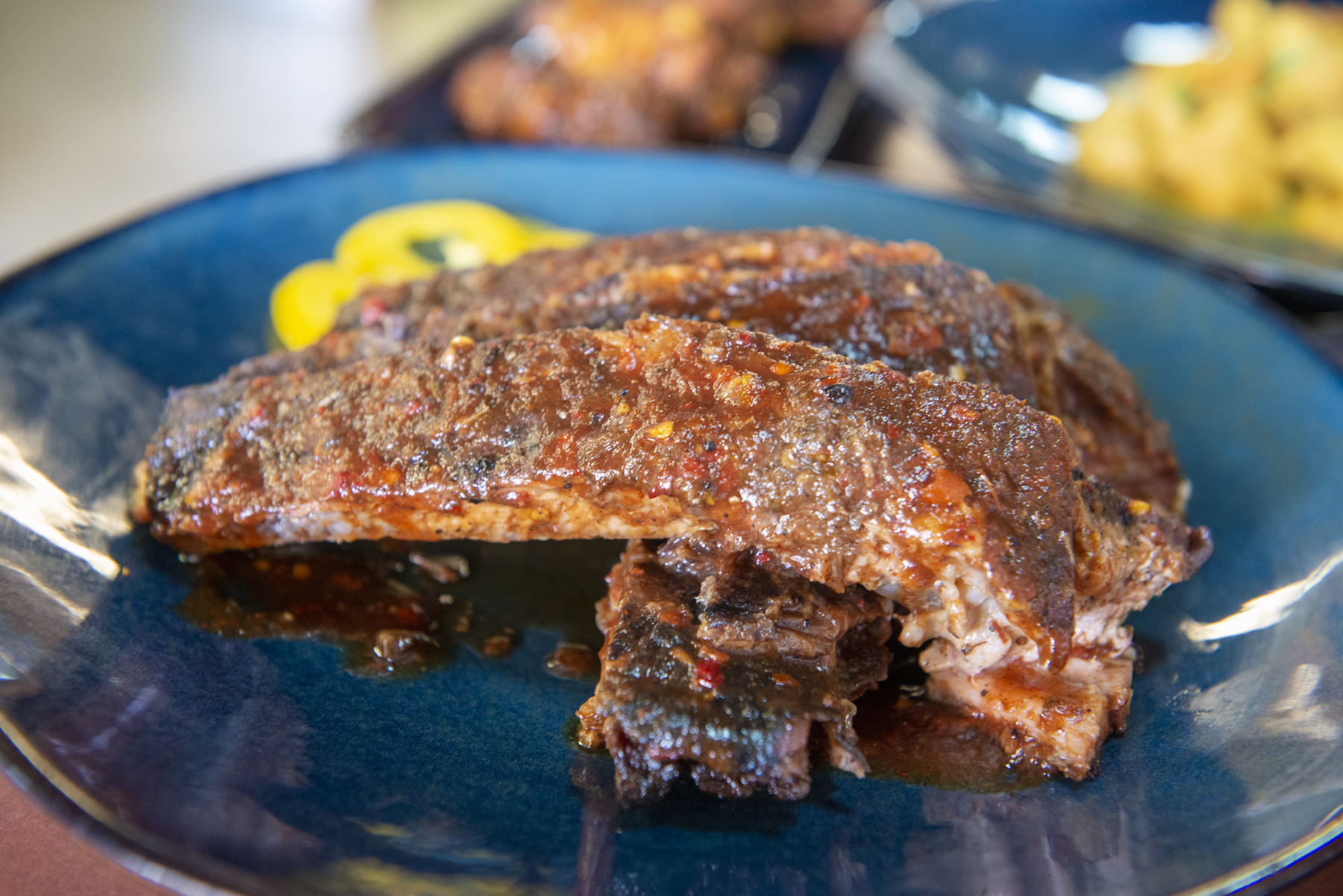
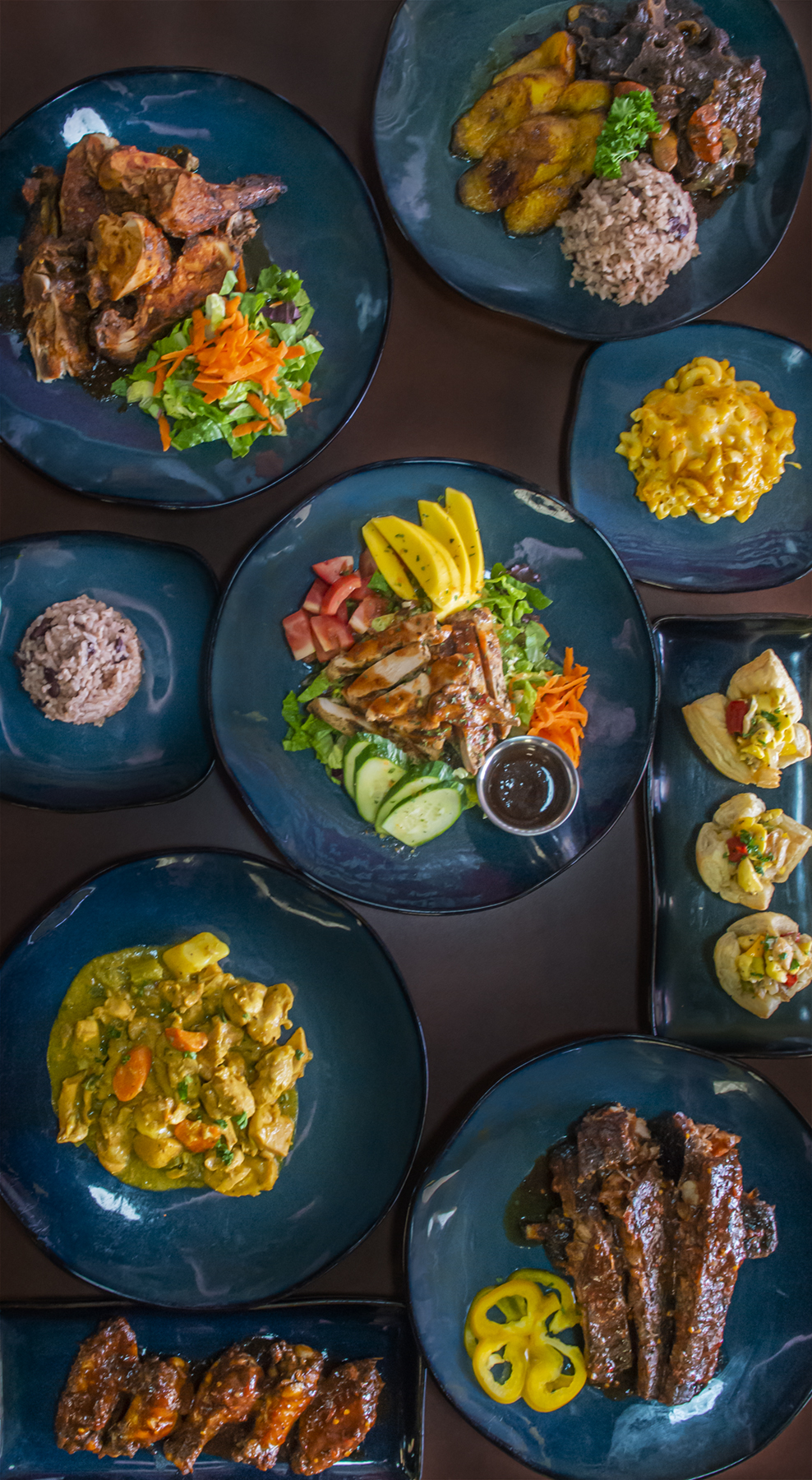
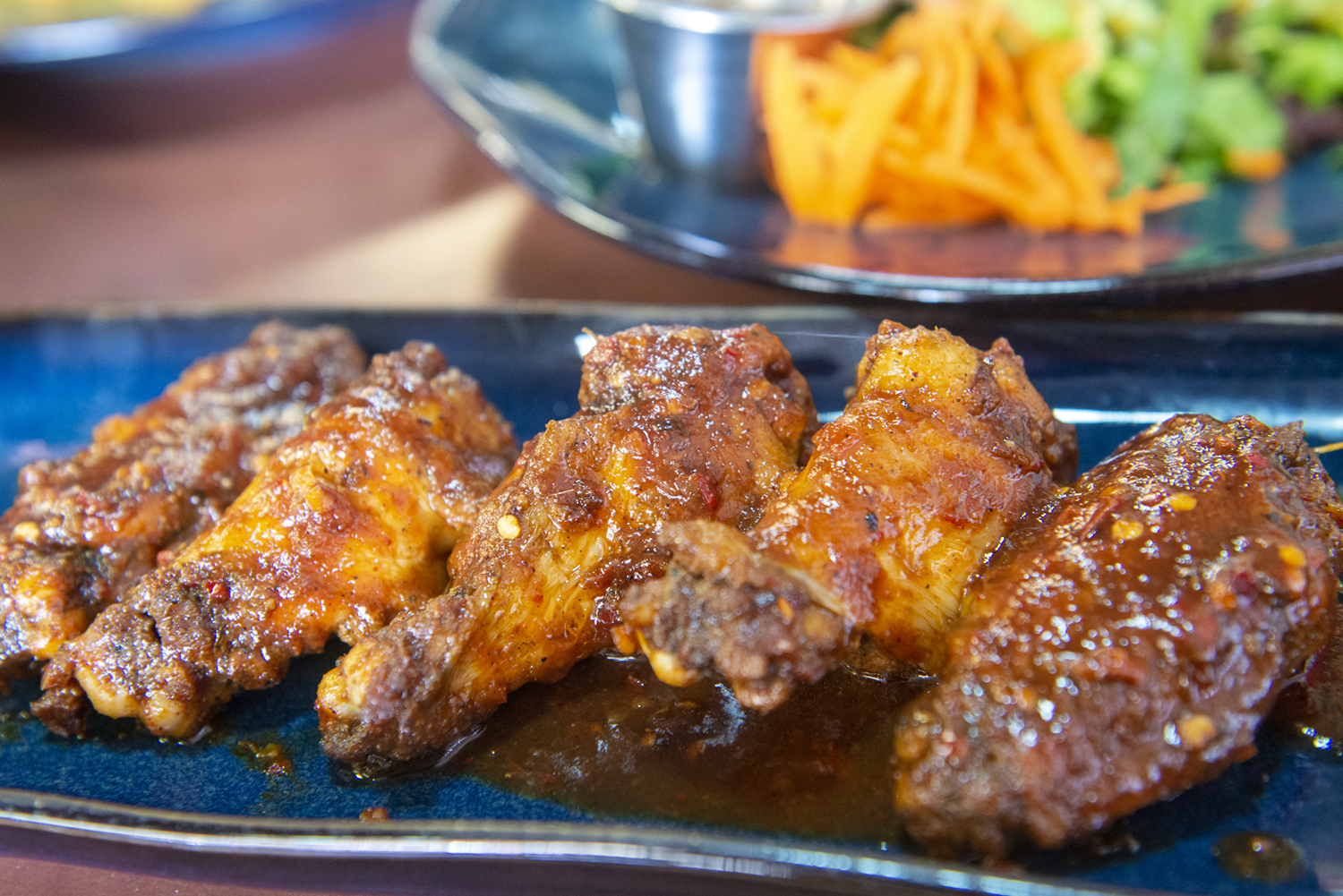
Denver is not the first American city people mention when they talk about Jamaican cooking, and that is exactly why the places that do it well stand out. You notice the aroma before you see the counter. Scotch bonnet, allspice, thyme, pimento wood smoke when a kitchen leans traditional, and that unmistakable deep savory note that tells you oxtail has been sitting on low heat for hours, not minutes. In a city better known for green chile, breweries, and steakhouses, Jamaican food brings a different kind of comfort, one built on spice, patience, and bold contrast.
Anyone searching for Jamaican food Denver options will quickly learn two things. First, the scene is smaller than in cities with larger Caribbean populations. Second, the good spots tend to earn serious loyalty. People do not visit these restaurants casually and forget about them. They remember the jerk chicken that stained the takeout box orange-red, the rice and peas cooked properly instead of treated like an afterthought, the beef patty that hit best in the car before they even made it home.
That smaller footprint changes how you should approach the city’s Jamaican offerings. Instead of expecting block after block of Caribbean storefronts, it helps to know what to look for, where menus overlap with broader island or soul food traditions, and which dishes reveal whether a kitchen is taking care with the details. Denver has enough quality options to satisfy a real craving, but the city rewards diners who understand the cuisine rather than those looking for a generic “spicy chicken” fix.
Why Jamaican food resonates in Denver
A lot of Denver dining trends skew clean, light, and fast. Jamaican food goes in another direction. It is generous food, often deeply seasoned, often braised, grilled, or stewed, and almost always built around balance. Heat matters, but so do sweetness, smoke, herbaceous freshness, and richness. Even simple sides carry weight. A good plate of cabbage is not decoration. Fried plantains are not filler. Festival, coco bread, or a properly flaky patty can be just as memorable as the main.
That style lands especially well in Denver’s climate. There is something about a cold Front Range afternoon that makes curry goat feel inevitable. Likewise, jerk chicken works year-round because it scratches two different itches. In warm weather it feels like grill food, bright and lively. In winter it still satisfies because the spice profile is warm and grounding rather than sharp for the sake of novelty.
Denver diners also tend to appreciate food with a story behind it. Jamaican cooking brings layers of history without needing to advertise them. African, Indigenous, British, Indian, and Chinese influences all show up in the cuisine. You can taste migration and adaptation in a single menu. Curry dishes sit beside escovitch fish. A patty reflects one tradition, a pan of callaloo another. Restaurants do not need to explain all of that for guests to feel the depth.
What the Denver market looks like in practice
When people imagine a local food scene, they often picture a neat category. Mexican restaurants over here, ramen there, barbecue in a few predictable pockets. Jamaican food in Denver does not fit that pattern cleanly. You will find dedicated Jamaican spots, but you will also find Caribbean restaurants that pull from several islands, plus cafes and comfort-food kitchens that include a handful of Jamaican staples because demand is steady.
That matters because a broad Caribbean menu is not automatically a compromise. Some of the strongest dishes in the city can come from restaurants that are not trying to be narrowly one thing. A kitchen may serve jerk chicken, curry goat, and patties alongside Trinidadian doubles or Haitian griot. The question is not whether the menu is pure. The question is whether the cooking shows discipline.
A serious Jamaican kitchen usually reveals itself in the basics. Rice and peas should taste like they were cooked with intention, not scooped from a steam tray with no seasoning. Jerk should have complexity beyond bottled sauce. Brown stew chicken should carry sweetness from caramelized browning sauce and onions, not just salt. Oxtail should be tender without collapsing into greasy mush. These are small distinctions, but they separate food that merely names Jamaican dishes from food that actually respects them.
Where to look across the city
Denver’s Jamaican and Caribbean options are often spread rather than concentrated. That can frustrate visitors who want a single neighborhood crawl, but it also means good food shows up in places people might otherwise overlook.
In central neighborhoods, especially areas with a mix of long-running independent restaurants and newer casual spots, you are more likely to encounter Caribbean menus folded into broader city dining patterns. These places may have polished interiors, brunch crossover, or a bar program designed for local traffic. Sometimes they serve very good jerk chicken and cocktails but simplify the rest of the menu. That is not necessarily a problem if the kitchen is honest about its strengths. A smaller menu, done carefully, often beats a long one that spreads itself thin.
East and northeast stretches of the city can be more rewarding for diners looking for hearty takeout, family-run operations, or low-key spots where the décor matters less than the steam coming off the trays. In those restaurants, the line between restaurant and neighborhood anchor can feel thin. You might see regulars come in for patties and a bottled soda, someone else picking up a full dinner for four, and another guest asking whether the curry goat is available that day. If you have ever eaten in a place where the owner recognizes voices before faces, you know the feeling. That kind of loyalty is usually earned plate by plate.
South Denver and nearby suburbs sometimes hold some of the more practical options for people who care more about consistency than trendiness. The best move here is often takeout. Jamaican food travels surprisingly well if packed properly. Jerk chicken, braised oxtail, curry, and rice all hold heat and flavor better than many cuisines that depend on crisp textures. Even fried plantains, if not sealed too tightly, can arrive in good shape. For families or groups, these restaurants can offer especially strong value because combination plates tend to be substantial.
West of downtown, you may encounter fewer overtly Jamaican storefronts, but there is often crossover through food trucks, market stalls, and occasional pop-ups. Denver’s mobile food scene has long made room for cuisines that do not yet have a large brick-and-mortar presence. If you are willing to follow weekend market schedules or local event announcements, this is one of the better ways to taste dishes like patties, jerk, and curry from cooks who are still building a permanent audience.
The dishes that tell you whether a place is worth revisiting
If you only order jerk chicken every time, you can miss the real strengths of a kitchen. Jerk is iconic, but it is also the dish most likely to be softened for a broad audience. Good Jamaican restaurants reveal more through the dishes that require time and judgment.
Oxtail is probably the clearest marker. It is expensive to buy, unforgiving if rushed, and easy to get wrong in texture. When a restaurant serves good oxtail, you can usually assume the kitchen respects slow cooking. The gravy should be rich and glossy, with enough depth to season the rice beneath it. Beans are common in the dish, but they should support the sauce rather than dilute it. If the oxtail tastes watery or one-note, that is a warning sign.
Curry goat is another test. The best versions do not hit you with curry powder alone. They carry ginger, garlic, thyme, scallion, and often just enough heat to keep the richness from turning heavy. Goat should have a distinct flavor and tenderness, not the blandness of overtrimmed meat standing in for something else.
Brown stew chicken is less glamorous but very revealing. It asks the kitchen to build flavor from browning, aromatics, and balance, not from heat or novelty. When done well, it is one of the most satisfying dishes on the menu and often the one cooks make for themselves at home.
Then there are patties. A beef patty looks simple. It is not. The crust should be flaky without becoming dry, and the filling should be seasoned assertively enough to hold its own against the pastry. Denver has enough on-the-go eating culture that patties ought to be bigger players here than they are. When you find a place making excellent ones, take that seriously.
Sides deserve the same scrutiny. Rice and peas should be fragrant and cohesive, not random white rice with beans folded in at the end. Cabbage should retain some texture. Macaroni and cheese, if offered, should feel intentional rather than included because diners expect it. Plantains should taste ripe, with caramelized edges rather than raw starch.
The difference between “spicy” and Jamaican seasoning
One mistake I see often among newer diners is treating Jamaican food as a heat challenge. That misses the point. Heat matters, especially in jerk and some sauces, but the cuisine is not built around pain. It is built around layering. Allspice is central. Thyme is central. Scallion, garlic, ginger, onion, and Scotch bonnet all work together. The result should feel vivid and rounded.
In Denver, where many people are used to chile heat from Southwestern and Mexican cooking, it helps to recalibrate expectations. Scotch bonnet heat blooms differently. It can be fruity, floral, and delayed. A jerk marinade may not hit immediately, then start building after a few bites. The best version leaves you wanting another bite, not reaching for water in panic.
Restaurants that understand this usually let diners choose their path. The core dish arrives balanced, then hotter sauces or pepper condiments can take it further. That is a smart approach in a city with mixed spice tolerance. It protects the dish’s integrity while still giving heat-seekers room to push.
Dining room style matters less than kitchen discipline
Some of the most memorable Jamaican meals I have had in American cities came from places with fluorescent lighting, laminated menus, and zero interest in atmosphere. Denver is no exception. If anything, the city’s real estate pressures make this even more likely. Restaurants working within narrow margins often put resources into ingredients, staff, and portioning before they spend on design.
That does not mean ambiance is irrelevant. A pleasant dining room can improve the experience, especially for first-time guests who want to linger over sorrel, ginger beer, or rum punch while deciding between jerk pork and curry chicken. But for this cuisine, I would choose a cramped room with excellent gravy over a sleek buildout with dry chicken every time.
The more useful signals are practical. Is the kitchen willing to tell you what is sold out because it was made in limited quantity? Good sign. Are the steam trays being turned over by regular traffic? Good sign. Does the menu have a few specialties that clearly take longer to prepare? Also a good sign. Scarcity is not automatically virtue, but in food built on marinating, braising, and stewing, it often reflects reality.
Takeout is often the smartest move
Jamaican food is one of the cuisines most forgiving of takeout, and in Denver that matters. Distances between neighborhoods can be long enough that chasing a craving across town is not always practical. Fortunately, many of the best dishes hold up well for the trip home.
Jerk chicken may even improve slightly after resting in its own juices for a short ride. Curry dishes settle and meld. Oxtail remains rich. Rice and peas stay stable. Patties are the exception, because pastry texture declines quickly once steam gets trapped, so those are best eaten early.
If you are feeding a household, ordering family-style can make more sense than individual plates. One larger order of jerk chicken, one braised dish such as oxtail or brown stew chicken, extra rice and peas, cabbage, and plantains usually creates a more satisfying meal than four separate combinations chosen in a rush. The variety helps, and the leftovers often eat very well the next day.
What first-time diners should order
For someone new to the cuisine or unsure about a specific restaurant, the safest strategy is to build a meal that shows both the restaurant’s signature flavors and its technical control. A sensible first order usually includes jerk chicken, one braised dish, rice and peas, plantains, and a patty if available. That spread covers grilled seasoning, slow-cooked depth, staple starch, sweetness, and portable snack food in one shot.
If you are dining with two people, share. Jamaican portions can be generous, especially at casual neighborhood spots. Sharing also makes it easier to compare how the kitchen handles dry heat versus moist cooking. Many diners discover they expected to love jerk most but end up talking about the curry goat or oxtail all night.
For families with children or guests who are heat-sensitive, brown stew chicken is often the best gateway order. It is flavorful without depending on spice intensity. Fried sweet plantains also help bridge the menu for cautious eaters. Once people trust the kitchen, they are more likely to branch out.
What makes a restaurant feel genuinely rooted
Authenticity is a word that gets overused, and often unfairly. Cuisines travel. Recipes adapt. Restaurants respond to neighborhoods, staffing, supply chains, and customer preferences. Denver is not Kingston, and expecting every local restaurant to reproduce an exact island context is unrealistic.
What matters more is whether the food feels rooted in understanding. Does the menu know which dishes belong together? Are the seasonings coherent? Is the kitchen adapting from strength or simplifying from unfamiliarity? A restaurant can use local ingredients, make pragmatic substitutions, and still produce food that feels deeply grounded. Another can copy the dish names and miss the soul entirely.
The places that earn repeat business tend to do small things right. They marinate long enough. They salt with confidence. They do not treat sides as filler. They know that gravy should touch the rice. They know sweetness has a role to play, whether in fried plantains, browning sauce, or a cold drink that offsets the meal.
Price, portions, and value in Denver
Denver is not a cheap restaurant city anymore, and Jamaican food is not immune to that pressure. Oxtail in particular has become expensive almost everywhere in the United States. Any diner expecting bargain pricing on slow-braised premium cuts is working from an old playbook. The better question is whether the portion size, care, and flavor justify the spend.
In my experience, the value proposition is strongest when you order dishes that use the kitchen’s labor well. Curry chicken, brown stew chicken, jerk plates, and patties often offer satisfying portions for the price. Oxtail can still be worth it, but it should feel like a treat rather than a default order if you are watching budget. Lunch specials, combination plates, and takeout family bundles, where available, usually stretch best.
The city’s Jamaican and Caribbean spots also benefit from the fact that the food tends to be filling in a real way. This is not the kind of meal that leaves you scavenging for a snack an hour later. Rice, peas, braised meat, and cooked vegetables provide the kind of satisfaction that makes the meal feel complete.
Finding the right spot for the occasion
Not every Jamaican meal serves the same purpose. Sometimes you want a quick lunch that delivers flavor fast. Sometimes you want a larger dinner to share at home. Sometimes you are introducing friends to the cuisine and need a restaurant with enough range to satisfy a mixed group.
For a solo lunch, patties and a smaller plate are often the move. They are efficient, affordable, and reveal a lot about the kitchen. For a weeknight family dinner, jerk chicken plus one slow-cooked dish tends to keep everyone happy. For guests from out of town, a restaurant with a few broader Caribbean offerings can be useful because it opens more doors without sacrificing the Jamaican staples people came to try.
That flexibility is one reason the category has room to grow in Denver. The food can function as comfort food, celebration food, takeout food, and destination dining all at once. It fits the city’s habits better than some owners may realize.
The future of Jamaican food in Denver
Denver’s dining scene has matured enough that smaller, more specific cuisines now have a better chance at finding their audience. A decade or two ago, many restaurants had https://www.behance.net/reggaepotdenver to flatten their identity to survive. Today, diners are more curious, more informed, and more willing to travel for a dish they cannot get everywhere.
That creates real opportunity for Jamaican food Denver restaurants and pop-ups that are serious about craft. There is room for a counter-service patty specialist, room for a smoke-forward jerk concept, room for family-style Sunday dinners built around braises and sides, and room for a market-cafe hybrid selling bottled sauces, spice blends, and hot lunch plates. Not every concept will thrive, but the appetite is there.
The challenge, as always, is consistency. Denver diners forgive a long wait when they believe care is involved. They do not forgive blandness. Jamaican cooking asks for confidence, and the best local kitchens understand that. They season boldly, cook patiently, and let the food speak in full voice.
For anyone still wondering whether the city can satisfy a serious craving, the answer is yes, with the right expectations. Denver may not have endless Jamaican restaurants, but it has enough thoughtful cooking to reward the search. When you find the place that nails the jerk, stews the oxtail properly, and serves rice and peas that deserve the name, you stop thinking about scarcity. You just order extra plantains and plan your return.
Reggae Pot Jamaican Grill
Address: 2243 S Monaco St Pkwy #104, Denver, CO 80222
Phone number: +17204102956
FAQ About Jamaican Food Denver
What is typical Jamaican food?
Typical Jamaican food features bold, vibrant flavors created by blending African, Taino, European, and Asian influences.
What is a famous Jamaican dish?
Ackee and saltfish is Jamaica's national dish, made by sautéing the soft local ackee fruit with salted cod, onions, tomatoes, and spicy Scotch bonnet peppers.
What food is most popular in Jamaica?
The most popular and famous food in Jamaica is Jerk Chicken, celebrated worldwide for its smoky, spicy flavor.