Why an Irish Pub NYC Bar Remains a Neighborhood Staple
Walk through almost any part of New York and you can tell, within a block or two, whether a place is truly woven into the neighborhood or simply renting space in it. The difference rarely comes down to decor alone. It shows up in the hour the lights go on, the way staff greet regulars without making newcomers feel like intruders, and the fact that people use the room for more than drinking. They meet there before wakes, after Little League games, during transit delays, on first dates that need a forgiving setting, and on weeknights when nobody feels like cooking.
That is why an Irish pub NYC bar continues to hold its place, even as restaurant concepts cycle in and out with remarkable speed. New York is hard on sentimental businesses. Rent is unforgiving, customer loyalty is conditional, and trend fatigue arrives fast. Yet the neighborhood Irish pub keeps surviving because it offers something much sturdier than novelty. It gives people continuity, and in a city that changes by the month, continuity has real value.
More than a theme, less than a museum
The weakest pubs treat Irishness as costume. A few road signs, a Guinness mirror, a dark wood bar, and someone assumes the job is done. Those places tend not to last, because New Yorkers are quick to spot the difference between atmosphere and authenticity. Authenticity here does not mean every bartender has to be from Cork or every recipe has to follow a grandmother’s notebook. It means the place understands the social role a pub is supposed to play.
A real neighborhood pub functions like an informal civic room. It is not as loud or expensive as a cocktail lounge. It is not as transactional as a coffee shop. It is not as rigid as a reservation-only dining room. You can step in alone and still feel you are somewhere public, somewhere with an unwritten code. That code is simple. Take your turn. Mind your behavior. Tip fairly. Don’t overcomplicate things. If you become a regular, the room will eventually make space for you.
That balance matters in New York because space itself is scarce. Most people live in apartments too small for spontaneous hosting. A local pub becomes the living room that the city does not provide. The best ones understand that their core offering is not just beer, whiskey, or shepherd’s pie. It is permission to linger without ceremony.
Consistency beats fashion
Trendy bars often sell a single moment. There is a new spirit category, a new style of glassware, a menu built around whatever social media is rewarding that season. Sometimes those places are excellent. Many are not built for endurance. They need a constant stream of novelty-seeking customers to offset high build-out costs and uneven repeat business.
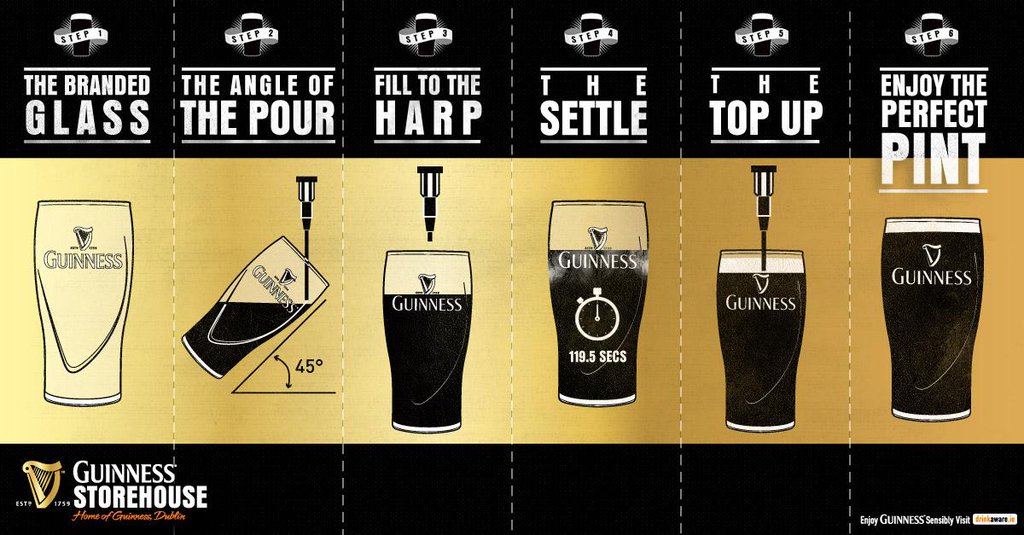
A pub lives on repeat visits. That changes the operating logic. If you want the same people to come back three times a week, you cannot exhaust them with gimmicks. You have to get the basics right every day. The pint has to be properly poured. The burger has to be hot and consistent. The music has to stay at a level where two people can still talk. The room has to feel looked after, even if it carries a little age.
This is where many Irish pubs in New York outperform slicker competitors. They know routine is not a weakness. It is the product. Customers often do not want to be surprised on a Tuesday at 8:30 p.m. They want to know the kitchen is still serving, that the bartender remembers how they take their whiskey, and that there will be one or two familiar faces on nearby stools. In hospitality, predictability can be a form of care.
I have seen bars spend heavily chasing a younger or flashier demographic, only to alienate the regulars who kept the lights on in January and February. A pub that understands its neighborhood tends to avoid that trap. It may update the menu, improve lighting, or add better nonalcoholic options, but it rarely breaks the social contract that made people loyal in the first place.
The room itself does some of the work
Good pub design is less about spectacle than psychology. There is a reason so many of these spaces rely on warm wood, framed mirrors, booths, and a bar long enough to support solo drinking and group spillover at the same time. Those choices soften the room. They reduce the self-consciousness that can make sleek bars feel performative.
The architecture of an Irish pub NYC establishment often encourages mixed use within a single shift. Near the front, a few people may be stopping in for one drink. Deeper in, a table is eating dinner. At the bar, two retirees nurse pints while watching a match with the sound low. In a side room, someone has reserved space for a birthday, fundraiser, or post-funeral gathering. The space works because nobody feels misplaced.
This flexibility is not accidental. Operators who last learn how to build a room that can hold different moods without collapsing into chaos. A pub should be lively, but not frantic. Private enough for conversation, but not precious. Familiar enough to attract regulars, but open enough that a stranger can walk in and understand the rules within ten seconds.
Even practical details matter more than people realize. Coat hooks in winter. Bar stools with backs. A visible clock. A place to stand without blocking service. Menus that are readable in dim light. A bathroom that gets checked often. None of this makes for glamorous marketing copy, but all of it determines whether people stay for one drink or three, and whether they come back next week.
Food keeps the neighborhood relationship honest
There is a big difference between a bar that happens to serve food and a pub whose kitchen anchors daily life. The latter earns a wider circle of customers. It gives nearby workers a lunch option, families an early dinner fallback, and older regulars a reason to come in without feeling they need to make a night of it.
The food does not have to be ambitious in the fine dining sense. In fact, overreaching can hurt. What matters is that the menu is broad enough, dependable enough, and priced with some restraint. Soup should taste made, not reheated from a bag. Fish and chips should arrive crisp. A roast chicken special, if offered, should justify itself. Brown bread should not feel like an afterthought. Even a simple turkey club tells customers a lot about the standards of the whole operation.
Traditional dishes still matter, but mostly because they connect memory to appetite. Shepherd’s pie, bangers and mash, soda bread, a proper stew, or a full Irish breakfast on weekends give a pub texture beyond alcohol sales. For some customers, those dishes are cultural touchstones. For others, they are comfort food with enough heft to suit cold weather and long workweeks. Either way, they deepen the bar’s usefulness.
There is also a business reality here. Food broadens the daypart. A bar that only thrives after 9 p.m. Is exposed to more volatility than one that can count on lunch, happy hour, dinner, and late evening trade. The neighborhood staple survives because it is useful across the clock, not just exciting for a narrow slice of the night.
Staff create the actual institution
People talk about legacy bars as if age alone made them meaningful. Age helps, but only if the service culture carries the place forward. The true backbone of a neighborhood pub is not the brass rail or the framed county maps. It is the bartenders, servers, floor managers, and kitchen staff who know how to run a room with authority and grace.
There is a distinct craft to pub service. It is less performative than cocktail theater, but no less skilled. Bartenders have to read pace, defuse minor friction before it grows, spot loneliness without exploiting it, and keep regulars from acting entitled. They remember names when possible, orders when practical, and boundaries always. They also know when to let somebody sit in peace.
The best pub staff have a way of making different kinds of customers feel equally legitimate. A construction worker covered in dust, a young couple splitting fries, a grandmother out after Mass, an office team grabbing one round before the train, all should feel comfortable in the same room. That is harder than it looks. Many bars accidentally train their staff to privilege high spenders or socially dominant groups. Neighborhood pubs last because they do the opposite. They protect the broad middle.
I have watched bars unravel after losing one veteran bartender who served as unofficial mayor, peacekeeper, and memory bank. When someone like that leaves, the business often discovers that hospitality cannot be reduced to POS systems and scheduling software. It lives in the small acts that tell customers, without saying so, that they belong there.
The pub as local bulletin board
A genuine neighborhood bar always does some quiet civic work. It hosts fantasy league drafts, wake receptions, retirement toasts, school fundraisers, and benefit nights for families hit by illness or accident. During storms or transit problems, it becomes a waiting room with food. During big sporting events, it becomes a commons. During holidays, especially those that stir homesickness, it becomes an emotional anchor.
This social role is one reason the Irish pub format has endured so strongly in New York. The city has always been a place of arrivals, departures, and partial belonging. People come here ambitious, lonely, overworked, newly single, newly sober-curious, or simply far from where they grew up. A pub gives shape to that unsettledness. You may not know anyone at 6 p.m. By 8 p.m., you may have had three small conversations that make the neighborhood feel less anonymous.
The bars that stay relevant are usually the ones that understand this duty without turning it into branding. They sponsor the local softball team because someone asked. They post flyers for a fundraiser because the owner knows the family. They open early for a major match because a handful of regulars care deeply. There is no need to announce every decent act online. The neighborhood notices anyway.
Sports, music, and the art of giving people a reason to gather
Entertainment in a pub setting works best when it amplifies social life instead of overwhelming it. Televised matches https://maps.app.goo.gl/c2ekeyx9WzJPnX1V6 are a clear example. Football, rugby, GAA, and major international events can turn a bar into a destination, but only if the space is set up to handle the surge. Sightlines matter. Sound matters. So does the decision about which games deserve priority. A place that gets this right can create ritual out of the fixture calendar.
Live music is trickier. Plenty of pubs overestimate how much volume their neighborhood actually wants. A solo trad session in a side room on a Sunday afternoon can be a gift. A full band packed into a room built for conversation can drive away the very regulars who keep the place afloat. Good operators know the difference. They match entertainment to acoustics, clientele, and day of week rather than forcing every night to feel like a special event.
Trivia, comedy, and themed nights fall into the same category. They can strengthen traffic on slower evenings, but only when they fit the bar’s identity. A pub should not chase programming just because other venues are doing it. Forced energy is expensive, and customers sense strain quickly.
Why neighborhood staples survive economic pressure
No romantic account of pubs is complete without the harder truth. New York is expensive, labor costs are real, insurance is high, utility bills swing, and food purchasing remains volatile. A neighborhood bar survives only if its sentiment is matched by sound operations.
Here is where the traditional pub model has advantages. The menu is usually based on recognizable, manageable items. Beverage inventory often leans on proven sellers rather than obscure bottles that gather dust. Build-outs, when done wisely, favor durability over constant reinvention. And perhaps most important, regular business lowers customer acquisition pressure. It is cheaper to retain a local crowd than to win a fresh audience every weekend.
Still, there are trade-offs. A pub cannot rely too heavily on nostalgia. If a place refuses all change, it risks becoming a shrine to an earlier neighborhood that no longer exists. Younger customers may admire it once and never return. Families may drift elsewhere if the menu feels stale or the bathrooms slip. A bar can also damage itself by chasing volume at the expense of atmosphere. The quickest way to lose neighborhood trust is to behave like a weekend destination first and a local institution second.
The strongest operators tend to make selective updates. They improve draft systems, refresh tired upholstery, expand alcohol-free offerings, take card and mobile payments without friction, and maybe add online reservations for larger groups. None of that breaks the pub spirit. It simply respects current habits.
What regulars actually come back for
If you ask people why they love a pub, they often answer with shorthand. The Guinness is good. The bartenders are great. It feels like home. Those answers are true, but they conceal a cluster of practical satisfactions that add up over time.
- The place is easy to enter, even on an ordinary night when nobody is dressed up.
- The prices, while never cheap in New York, feel fair for the neighborhood.
- The staff keep standards without making the room feel policed.
- There is enough food substance to turn a drink into an evening.
- The atmosphere works for both company and solitude.
That last point deserves attention. Very few urban businesses welcome both moods equally well. Restaurants often pressure turnover. Coffee shops may become laptop offices. Lounges can make a solo guest feel exposed. A pub lets a person read the paper, watch a match, eat a late dinner, or meet six friends without requiring a different venue for each need. That versatility is one of the most undervalued assets in hospitality.
The meaning of familiarity in a city built on motion
People who do not spend much time in neighborhood bars sometimes assume loyalty is mostly about habit. Habit plays a role, but the deeper force is recognition. In a city where many jobs are precarious, commutes are draining, and even longtime residents can feel transient, being recognized in a room has emotional weight.
An Irish pub NYC bar that lasts for decades often becomes part of the personal map of the people around it. Someone met a spouse there. Someone had the first drink after getting a job offer. Someone watched an All-Ireland final with a father who is now gone. Someone found a spare meal and a kind word during a rough year. Those experiences do not make the business sacred, but they do make it durable in a way trend-driven places rarely are.
This is also why neighborhood outrage is so intense when a beloved pub closes. Residents are not merely losing a place to drink. They are losing a repository for memory, coincidence, and repeated contact. A new tenant may serve better cocktails or more modern food, yet still fail to replace the civic function that disappeared with the old barstools.
What keeps the model relevant now
The pub endures because it has adapted where adaptation counts. Better coffee in the daytime. Stronger food than people expect. Smarter beer programs. Serious whiskey without snobbery. Better options for customers who are drinking less or not at all. Cleaner design without sterilizing the soul of the room. None of those shifts betray tradition. They keep tradition useful.
The neighborhood staple also benefits from fatigue with overdesigned experiences. Many customers are tired of having every outing feel curated for photos. They want places that allow life to happen with less staging. A proper pub offers that relief. It is one of the few hospitality settings where a customer can be casual without being careless, social without being performative, and loyal without joining a club.
For operators, that creates a clear challenge. Preserve the room’s ease, but never let ease slide into neglect. Keep prices within reason, but not by compromising quality. Welcome regulars, but do not let them own the place. Honor heritage, but do not trap the business in amber. These are not abstract principles. They are daily management decisions, visible in staffing, maintenance, menu discipline, and tone.
A neighborhood Irish pub survives because it solves real urban needs with unusual grace. It feeds people, gathers them, steadies them, and gives them a place to return to when the city feels too fast, too expensive, or too impersonal. That is more than a business model. It is a public service carried out pint by pint, plate by plate, night after night.
Hibernia Bar
401 W 50th St
New York, NY 10019, United States
Phone: +1 212-969-9703
FAQ About Irish Pub NYC
What is the best Irish pub in NYC?
The best choice depends on your location and preferred atmosphere. Hibernia Bar is a neighborhood Irish pub in Hell's Kitchen offering Guinness, Irish whiskey, pub food, and sports viewing.
Where do Irish people go in NYC?
New York's Irish community gathers in many neighborhoods and venues. Hibernia Bar welcomes Irish expats, local residents, and visitors at 401 W 50th St, just off Ninth Avenue.
Where can I watch GAA games in New York?
Hibernia Bar lists GAA among the sports it shows. Call +1 212-969-9703 to confirm coverage and opening times for a particular match before visiting.
What is the difference between a bar and a sports bar?
A sports bar emphasizes televised games and a shared viewing atmosphere. Hibernia combines sports viewing with the food, drinks, and hospitality of a neighborhood Irish pub.